
Our Schools
University
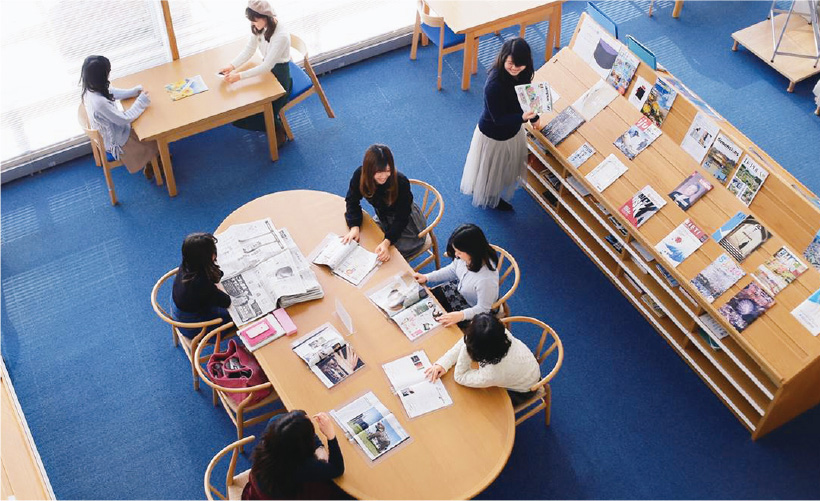
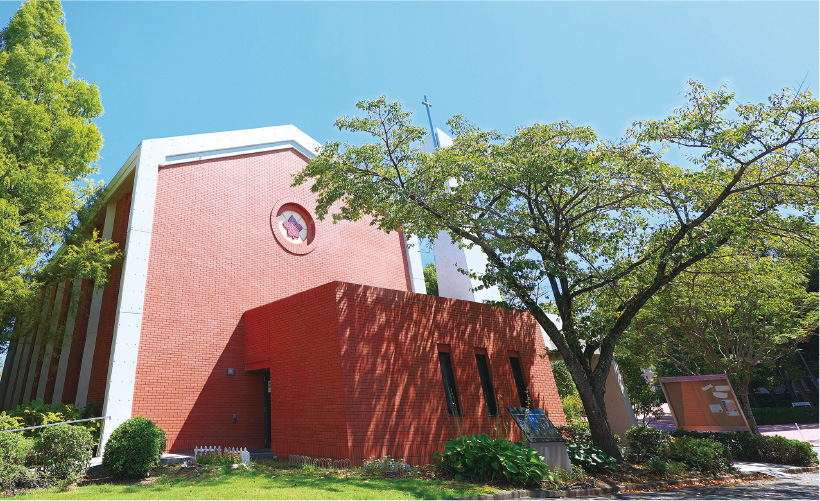
Established in 1989, our university is located in Yokohama, just outside Tokyo. Today, it is a small, women’s university consisting of one faculty with three departments.
Our Faculty of Human and Social Sciences aims to cultivate individuals who deepen their understanding of people, society, and the natural world, and who actively work toward creating a better future. Rooted in Christian principles, the faculty offers a comprehensive liberal arts education that nurtures broad perspectives across philosophy, the arts, and the sciences. Building on this foundation, students advance their expertise within their respective departments while also developing the capacity to take initiative, to engage directly with real-world issues, and to continue learning and taking positive action long after graduation.
Faculty of Human and Social Sciences
■ Department of Comprehensive Psychology
Students learn to understand the human mind and behavior from multiple perspectives and develop the capacity to support others with empathy.
- Clinical Psychology Course
- Developmental and Educational Psychology Course
- Mind, Culture and Society Course
■ Department of Child Education and care
Students cultivate both professional expertise in supporting the well-being of infants and young children and a rich sense of humanity.
- Early Childhood Education and Care Course
- Intercultural Child Education and Care Course
- Art and Expression in Child Education and Care Course
■ Department of International Studies
Students deepen their understanding of Japan and the wider world, strengthening their ability to contribute to the global community and to build inclusive, multicultural societies.
- International Communication Course
- Multicultural Studies Course
- International Cooperation Course
Graduate Schools
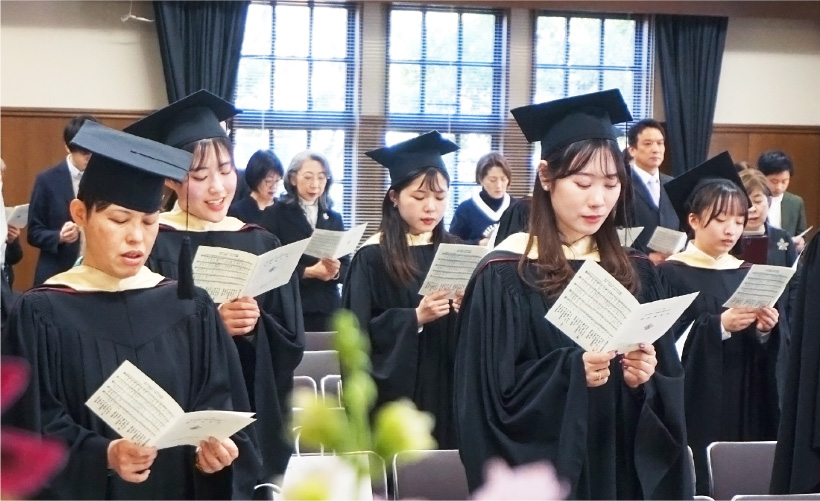
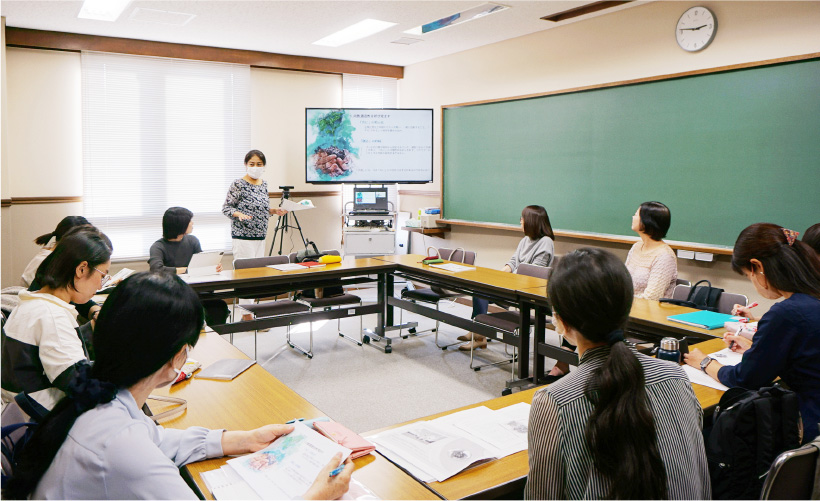
In 1993, the university established an evening graduate program primarily designed for working adults, with the mission of cultivating highly skilled professionals capable of tackling complex social issues.
Department of Human Sciences responds to contemporary societal needs by offering three specialized fields—Thanatology, Clinical Psychology, and Early Childhood Education & Developmental Clinical Studies—engaging in a wide range of research on the human condition.
Department of International Cooperation conducts multifaceted research on approaches to international cooperation that Japan and the global community can pursue together. Its goal is to train individuals who can apply the outcomes of their studies directly within their own professional fields.
Department of Human Sciences
(From 2027, Program in Life and Death Studies)
Program in Human Sciences which explores human life and death, is a unique field that remains rare among Japanese universities.
Program in Clinical Psychology focuses on practical research for the training of Certified Public Psychologists and Clinical Psychologists.
Program in Early Childhood and Department rooted in the university’s long-standing tradition in early childhood education, examines issues related to child development and enables students to obtain the Advanced Kindergarten Teacher License.
Across all fields, the graduate school nurtures professionals who embody the university’s guiding spirit: Reverence and Service.
Department of International Cooperation
The curriculum is organized into two courses— Sustainable International Cooperation and International Political Economy & Area Studies. Through specialized coursework, students develop deep insight into the rapidly changing international landscape and explore practical approaches to international cooperation from a global and interdisciplinary perspective.
A distinctive feature of the Faculty of Human and Social Sciences is its Interdisciplinary Programs, which enables students to study contemporary themes that transcend departments and courses. Students are free to choose programs that align with their interests.
We also strongly encourage students to develop language skills and intercultural awareness through a wide variety of study-abroad opportunities. Center for International Programs provides consistent support before departure, throughout the study period, and upon return, helping each student find the program that best fits her goals.
Our university also contributes to society through the activities of several research institutes including Institute for Life and Death Studies, Institute of International Relations, Institute of Early Childhood Education and Care (Center for Children and Their Families), and MIRAI Research Institute. In addition, our Center for Social Outreach and Collaboration works with local governments and businesses to address social issues and offers a wide range of lifelong learning courses. Through these initiatives, we work to advance our educational mission, research, and social contribution.
Junior and Senior High School
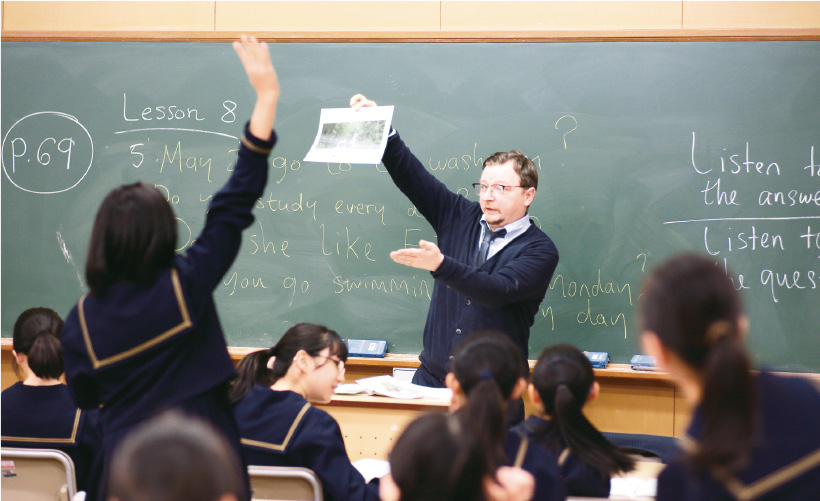
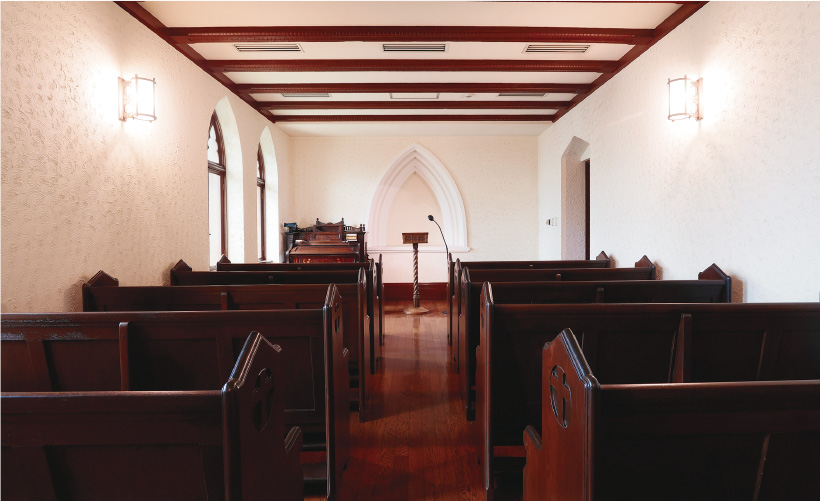
Our Junior and Senior High School welcomes about 80 students from our Primary School and 120 through the Grade 7 entrance exams, forming a grade of 200 students in five homerooms. With no new admissions at the high school level, students grow through a continuous six-year program from age 12 to 18.
School life begins with worship and ends with prayer, fostering self-affirmation, respect for others, and a strong sense of individuality in a safe, nurturing environment.
We emphasize English education with a global outlook, student-centered learning, and rich experiences in the arts and culture, encouraging creativity and refined character. Our mission is “To honor God, love others, contribute to the world, and shape the future”.
Residential Programs
In spring, Grade 7, Grade 10, and Grade 12 students participate in spiritual retreats, taking time—guided by messages from our chaplains—to reflect deeply on their future. Grade 11 students visit Nagasaki, a city marked by the atomic bombing, where they learn firsthand the importance of peace.
In summer, students attend camp at our lakeside facility on Lake Nojiri in Nagano Prefecture. Surrounded by nature, they engage in worship, cooperative living with classmates, swimming, and various outdoor programs led by faculty and alumnae. This experience offers a kind of learning that is very different from life in the city and remains one of the most memorable traditions of the school.
Overseas Programs
Each summer students may participate in Canada Study Tour at Mount Allison University in New Brunswick and on Prince Edward Island, where they learn language skills while experiencing local life through homestays. In spring, students may join Australia Study Tour at Lourdes Hill College, our sister school, gaining both linguistic and cultural understanding.
From January to March, we also offer short-term study-abroad programs in Canada and Australia for high school students, providing additional opportunities to broaden their global perspective.
Primary School
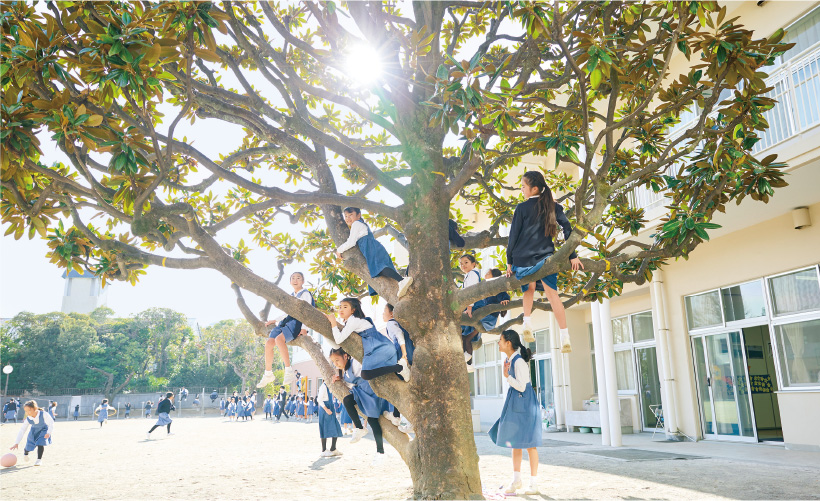
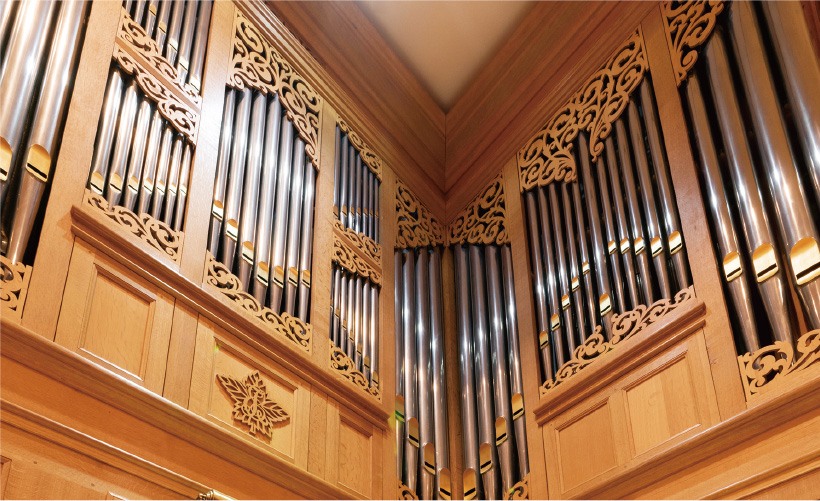
In our Primary School, approximately 30 children advance from Toyo Eiwa Kindergarten each year, and an additional 50 students join us through the elementary school entrance examination. With 80 students per grade and two homerooms, the school provides Christian girls’ education to a community of about 480 children.
Since our founding, we have cherished the spirit expressed in the phrase “For God and for people,” nurturing a heart of reverence and service. Each morning begins with worship and prayer, a rhythm that shapes the daily life of our students. Our curriculum places strong emphasis on English education as well as the arts—music and visual arts in particular—while offering warm, attentive instruction that values each child as an individual.
The school year is filled with a rich variety of events, including the Sports Day and Performing Arts Festival. From Grade 1 onward, students participate in Summer School, an overnight program held at our Karuizawa Oiwake Lodge, where they experience cooperative living in the midst of nature. In spring, autumn, and winter, students take part in residential programs, learning through hands-on engagement with agriculture, fisheries, and traditional crafts.
Our international education programs are also a long-standing strength. For over 20 years, we have maintained an exchange with our sister school in Korea. Beginning in 2024, we launched a homestay program in Australia, and in 2025 we introduced a therapy dog program to support students’ emotional well-being.
Looking toward the future, a new school building—scheduled for completion after 2030—will enable us to further enhance our small-class, child-centered learning environment.
Toyo Eiwa Kindergarten
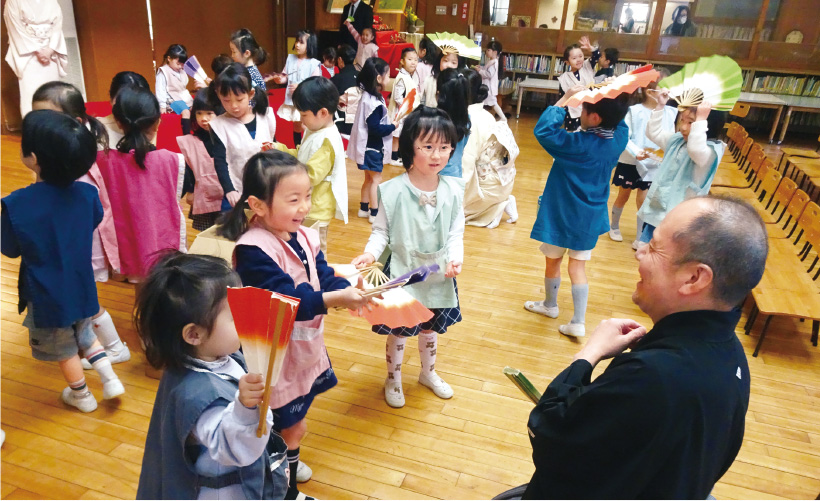
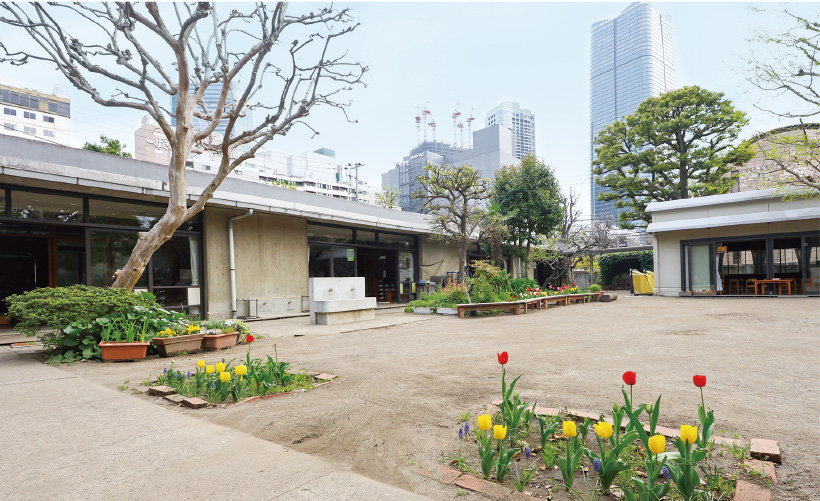
In our kindergarten, children spend three precious years—from age three onward—growing in the natural world given to us by God. Through daily encounters with nature and with one another, they deepen their sensitivity and develop in ways that reflect their own unique character. We pray together, learn together, and grow together as a community.
Children thrive in the abundant grace of God, developing with joy and confidence. Rather than engaging in uniform, teacher-directed activities, they are encouraged to think, create, and shape their own play. This nurtures curiosity, creativity, and a natural sense of exploration.
We help children build habits that allow them to take care of themselves and act independently according to the situation. Close partnership with families is essential; by fostering trust and working together, we carefully support each child’s growth.
Kaede Kindergarten
affiliated with Toyo Eiwa University
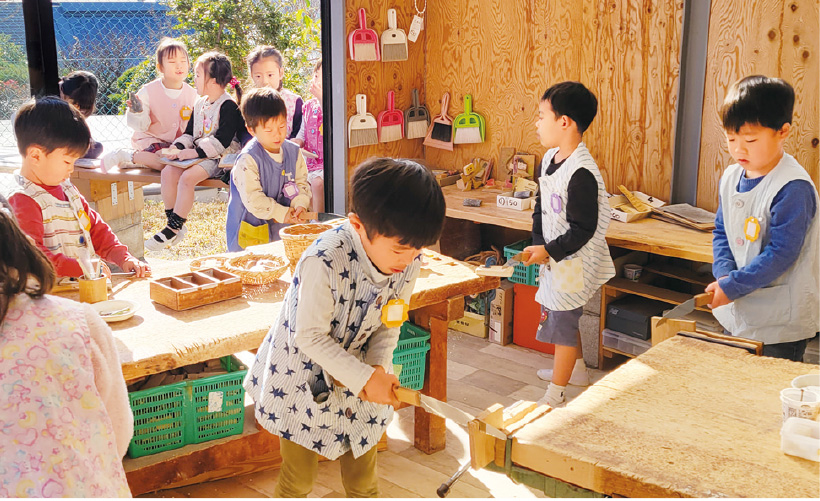
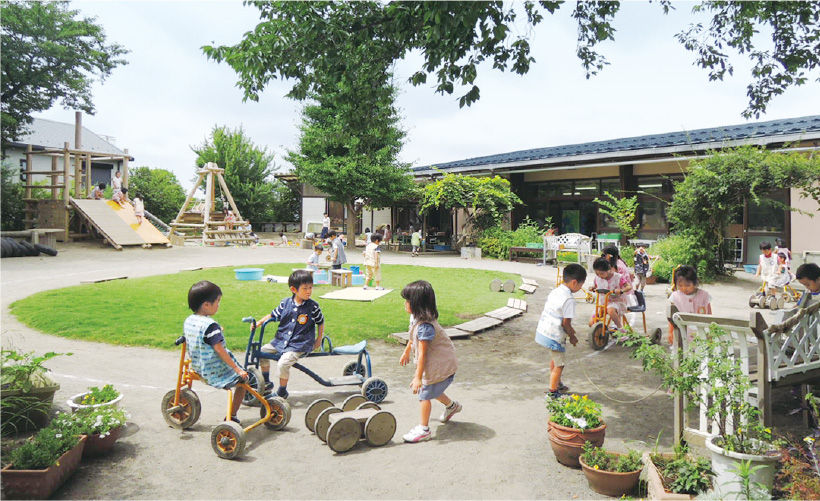
Kaede Kindergarten is the only program within the academy that is firmly rooted in the local community. Located in the green, residential area of Tama-Plaza, it welcomes about 90 children each year.
Although extended childcare is available from 7:30 a.m. to 6:30 p.m., the core program runs from 8:45 a.m. to 2:00 p.m. Outside these hours, children spend time in small, home-like groups where they can relax and learn at their own pace.
At Kaede Kindergarten, every child is embraced as someone deeply loved by God. We provide an environment where each child’s unique gifts can unfold naturally and fully. Through the experience of being loved, children learn to appreciate others, recognize differences, and develop the capacity to live together with kindness and respect.